Uncover the Benefits of Liquid Stevia: Your Comprehensive Guide to Organic Sweetening
Liquid stevia, extracted from the Stevia rebaudiana plant, provides a natural substitute to traditional sweeteners. This zero-calorie option is gaining popularity for its possible health benefits, especially among those controlling weight or blood sugar levels. Its flexibility in the kitchen further improves its appeal. However, many remain unaware of its complete spectrum of benefits and practical applications. Comprehending these can transform how one handles adding sweetness in their diet.
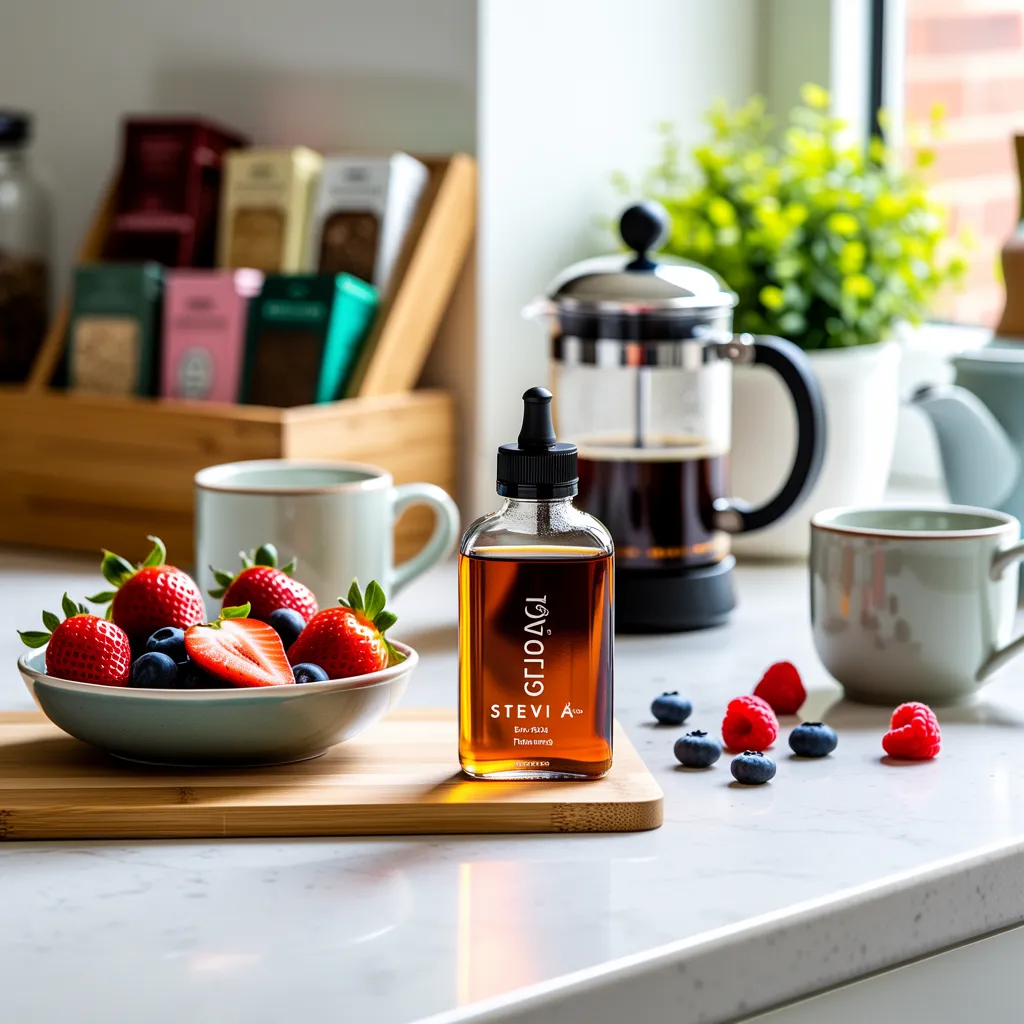
The Source of Liquid Stevia: Nature's Pleasant Solution
Liquid stevia, a natural sweetener extracted from the leaves of the Stevia rebaudiana plant, has become increasingly popular as a better option to sugar. Originating from South America, particularly Paraguay and Brazil, stevia has been used for centuries by indigenous communities for its sweetness and healing benefits. The plant was initially recorded in the 16th century by Spanish explorers, who observed its use by the Guarani people.
In the 20th century, stevia began to attract global attention as a viable sugar substitute. Its bioactive substances, mainly stevioside and rebaudioside A, provide sweetness lacking calories, making it an appealing choice for those looking to decrease sugar intake. The extraction process alters the plant's leaves into a concentrated liquid form, verifying that the natural sweetness is kept intact. As nutritional consciousness rises, the roots of liquid stevia underscore its appeal as a environmentally responsible and unadulterated sweetening option.
Why You Should Prefer Liquid Stevia As an alternative to Sugar?
Many wellness-focused people are increasingly choosing liquid stevia over conventional sugar due to its many benefits. One main advantage is its zero-calorie content, making it an attractive option for those controlling their weight or blood sugar levels. Unlike sugar, which can lead to increases in glucose and insulin, liquid stevia has a minimal effect on blood sugar, making it appropriate for diabetics and those seeking to decrease their sugar intake.
Additionally, liquid stevia is extracted from the leaves of the Stevia plant, delivering a natural substitute to artificial sweeteners. It also possesses antioxidants, which could deliver supplementary health benefits. Moreover, its potent concentration means that only a small dose is necessary to achieve the desired level of sweetness, making it budget-friendly over time.
Creative Methods to Use Liquid Stevia in Your Cooking
Modifying traditional dishes is straightforward with the inclusion of liquid stevia, a versatile sweetener that can enhance flavors without the extra calories. This organic sweetening ingredient can be seamlessly incorporated into a variety of dishes. For beverages, a few drops of liquid stevia can flavor coffee, tea, or smoothies, providing a refreshing change without excess sugar.
When baking, liquid stevia can take the place of sugar in cakes, muffins, and cookies, making it possible to create scrumptious desserts that meet the needs of health-conscious consumers. It can also be applied in salad dressings, marinades, and sauces, providing a touch of sweetness to neutralize acidity.
For salty dishes, a touch of stevia can enhance flavors in soups and stews. Additionally, it functions as an outstanding sweetening agent for yogurt or oatmeal, making breakfast both healthy and satisfying. The possibilities are endless, showcasing liquid stevia's adaptability in the kitchen.
Leading Health Benefits of Liquid Stevia You Should Be Aware of
While conventional sweeteners can contribute to weight gain and health problems, liquid stevia provides a natural alternative that provides many health benefits. This plant-derived sweetener contains zero calories, making it a great choice for weight management and those tracking their caloric intake. Research indicates that liquid stevia may help regulate blood sugar levels, making it appropriate for individuals with diabetes or those aiming to reduce sugar consumption.
Additionally, liquid stevia possesses antioxidant properties, which can aid overall health by combating oxidative stress. It may also have inflammation-reducing properties, potentially benefiting those with inflammatory conditions. Unlike artificial sweeteners, liquid stevia does not harm gut health, encouraging a balanced digestive system. Moreover, it can improve the flavor of foods and beverages without the adverse effects associated with high sugar consumption. Overall, liquid stevia serves as a versatile and health-conscious sweetening option for many dietary needs.
What's the Distinction Between Liquid Stevia and Other Natural Sweeteners?
Liquid stevia distinguishes itself among organic sugar substitutes due to its unique taste profile, which can differ markedly from options like honey or agave syrup. Additionally, its zero-calorie content provides a distinct advantage for those monitoring their caloric intake. An overview of the wellness advantages further illustrates how liquid stevia stacks up to other alternatives in the market.
Taste Profile Analysis
What is the comparison of liquid stevia's flavor against other natural sweeteners? Liquid stevia gives a unique taste profile that can be substantially more concentrated than other options such as honey or agave syrup. While honey displays a robust, flowery flavor, liquid stevia has a purer, more direct taste, typically described as less complex. Agave syrup, however, possesses a mild and syrupy taste that can sometimes obscure other flavors in recipes. Some users of liquid stevia describe a mild residual taste, a trait that might not appeal to everyone. Ultimately, while liquid stevia delivers a zero-calorie choice, its distinctive taste may require getting used to for those used to the flavors of other natural sweeteners.
Caloric Content Analysis
Caloric content serves as an vital aspect in the assessment of sweeteners, notably when evaluating liquid stevia against its natural counterparts. Liquid stevia excels due to its zero-calorie profile, making it an desirable option for those seeking to reduce overall caloric intake. In contrast, other natural sweeteners, such as honey and agave nectar, possess caloric value that can contribute to daily energy consumption. For instance, one tablespoon of honey contains approximately 64 calories, while agave nectar has around 60 calories per tablespoon. This notable difference highlights liquid stevia's upper hand for individuals dedicated to weight management or calorie restriction. Ultimately, understanding these nutritional differences aids consumers in making informed choices tailored to their dietary needs.
Health Benefits Summary
The well-being benefits of liquid stevia make it a compelling alternative to other natural sweeteners. Unlike honey or maple syrup, which contain calories and sugars, liquid stevia is calorie-free and doesn't affect blood sugar levels, making it suitable for diabetics and those managing weight. Moreover, stevia is extracted from the leaves of the Stevia rebaudiana plant, offering a natural alternative lacking artificial ingredients. Studies suggest that stevia may have antioxidant properties and could potentially lower blood pressure. When compared to agave nectar, which is high in fructose, stevia offers a safer option for long-term health. In summary, liquid stevia's unique benefits make it a favored choice among health-conscious consumers.
Advice for Maintaining and Dosing Liquid Stevia
Effective storage and precise quantification of liquid stevia are crucial for enhancing its advantages. By understanding proper preservation practices and longevity considerations, users can preserve the sweetener's strength. Additionally, utilizing precise measurement methods guarantees that recipes achieve the intended sweetness without variations.
Proper Preservation Practices
Proper care of liquid stevia is important to keep its flavor and power. Optimally, it should be kept in a cool, dark place, protected from heat and direct sunlight. This helps prevent deterioration of its sweetening properties. A well-sealed container is suggested to minimize unwanted contact to air and moisture, which can alter its taste and effectiveness. Storage in the refrigerator is not necessary but can extend shelf life if the product has been accessed. Additionally, checking the expiration date guarantees that the stevia stays fresh. When stored correctly, liquid stevia can retain its integrity for an extended period, giving a consistent natural sweetener alternative for various kitchen uses. Proper practices ultimately magnify the overall user experience.
Reliable Measurement Techniques
Precise measurement techniques are important when using liquid stevia to ensure the desired sweetness in recipes. Since it has a strong strength, a small amount of liquid stevia can significantly change the flavor profile of a dish. It is best to use a dropper or measuring spoon for accuracy, as even a slight overestimation can cause an excessively sweet dish. For recipes needing specific sweetness levels, beginning with a small amount and slowly increasing it allows for better control. Furthermore, having a conversion chart available can assist when substituting stevia for sugar, as ratios may vary. Accurate measurement of liquid stevia not only improves the culinary experience but also guarantees health benefits are maximized without too much sweetness.

Storage Duration Factors
While liquid stevia offers a sweet alternative to sugar, understanding its shelf life and preservation needs is crucial for maintaining its integrity. Proper storage can greatly extend its usability. It is recommended to keep liquid stevia in a dark, cool location, distant from heat sources and direct sunlight. Sealing the bottle securely helps avoid oxidation and contamination, which can change its flavor and sweetness.
Typically, sealed liquid stevia can remain fresh for up to two years, while unsealed bottles may last for one year or less, based on storage conditions. Regularly checking for alterations in flavor or look can also indicate if the product is still appropriate for consumption. Gentle storage guarantees the longevity of this natural sweetener.
Dispelling Common Inaccuracies About Liquid Stevia
What fallacies are associated with liquid stevia? A popular myth is that liquid stevia is heavily processed and unnatural. Actually, high-quality liquid stevia comes from the leaves of the Stevia rebaudiana plant and is subjected to limited processing to extract its sweet compounds. Another wrong idea is that stevia has a bitter aftertaste. additional article Although some people notice this, many brands develop formulations that reduce or remove this effect, offering a pleasant sweetness. Furthermore, some individuals think liquid stevia is unsafe for consumption. Nevertheless, extensive research shows that stevia is generally recognized as safe by regulatory agencies, including the FDA. Lastly, many think that stevia use causes weight gain; in fact, it is a zero-calorie sweetener that can support weight management. By dispelling these myths, people can make more well-informed decisions about their sweetening choices.
Answers to Commonly Asked Questions
Is Liquid Stevia Secure for Young Children and Expectant Mothers?
Liquid stevia is generally considered harmless for children and mothers-to-be when consumed in moderation. However, it is advisable for individuals in these groups to check with medical practitioners before integrating it into their food choices.
Can Liquid Stevia Cause Digestive Problems?
Liquid stevia could lead to digestive troubles in certain people, notably when taken in excessive quantities. Symptoms can involve gas and bloating. However, the most people tolerate it quite well, experiencing minimal negative consequences.
How Does Liquid Stevia Change Your Blood Sugar Levels?
Liquid stevia does not elevate blood sugar levels, making it a popular selection for those handling diabetes or monitoring glucose. Its organic elements provide sweetening quality without the carbohydrates tied to traditional sugars.
Can Liquid Stevia Work for Vegan Diets?
Liquid stevia aligns with vegan diets, since it is pulled from the leaves of the Stevia rebaudiana plant. This pure sweetening agent holds zero animal products, rendering it a appropriate selection for those committed to vegan principles.
Understanding the Expiration Timeline of Liquid Stevia
Liquid stevia usually has a shelf life of about two to three years when properly stored in a dark, cool environment. Its durability depends on the brand and formulation, so checking labels is suggested.